Oral Microbiome Changes With Age & What It Means
Your mouth changes throughout your life. Your approach to prevention may need to evolve with it.
When we think about aging, we often think about our bones, muscles, skin, or energy levels. But research shows that the oral microbiome (the community of microorganisms living in our mouths) also changes over time.
So what do these changes mean for dental health?
Let's explore what the science tells us and how this knowledge can help guide more personalized prevention.
What Is the Oral Microbiome?
Your mouth is home to hundreds of types of microorganisms, including bacteria and fungi. Some are beneficial, while others can contribute to problems depending on the conditions in your mouth.
When certain bacteria become more abundant, the balance can shift toward conditions associated with tooth decay or gum inflammation.
Dental health involves more than simply trying to eliminate bacteria. We also need to understand the conditions in which those bacteria live and how to support a healthier balance.
What Did the Research Discover?
A study published in October 2026 in the Journal of Dentistry compared saliva and oral bacteria in 340 younger and older participants.
Researchers found three interesting differences:
The older group had lower oral microbial diversity. The bacterial communities in the analyzed samples were less diverse. Diversity alone, however, doesn't determine whether someone's microbiome is healthy or unhealthy.
Certain cavity-associated bacteria were more abundant. The older group had higher levels of mutans streptococci, bacteria associated with tooth decay. This may help us better understand why cavity risk can change as people get older.
Saliva characteristics were different. Interestingly, the older group had higher saliva buffering capacity, which means a greater measured ability to resist changes in acidity. So the findings weren't simply that older adults had less protective saliva.
The study suggests that our oral environment may change with age. But because researchers compared different age groups at one point in time, it doesn't prove that aging itself caused these changes or that they will lead to cavities.
Read the original research in the Journal of Dentistry.
Why Saliva Deserves More Attention
Saliva does much more than keep your mouth comfortable. It helps wash away food particles, neutralize acids, and support the natural processes that repair early damage to tooth enamel.
When saliva production or composition changes, the oral environment can change too.
Some contributing factors we consider include:
Medications, many of which list dry mouth as a side effect
Hydration and dietary habits, including frequent sugar or acid exposure
Oral hygiene and plaque accumulation
Hard-to-clean areas around older fillings, gum recession, or periodontal pockets
Medical conditions that may affect saliva or oral health
These factors don't affect everyone in the same way, and that's exactly why personalized assessment matters.
Does Getting Older Mean You're Destined to Have More Cavities?
Absolutely not.
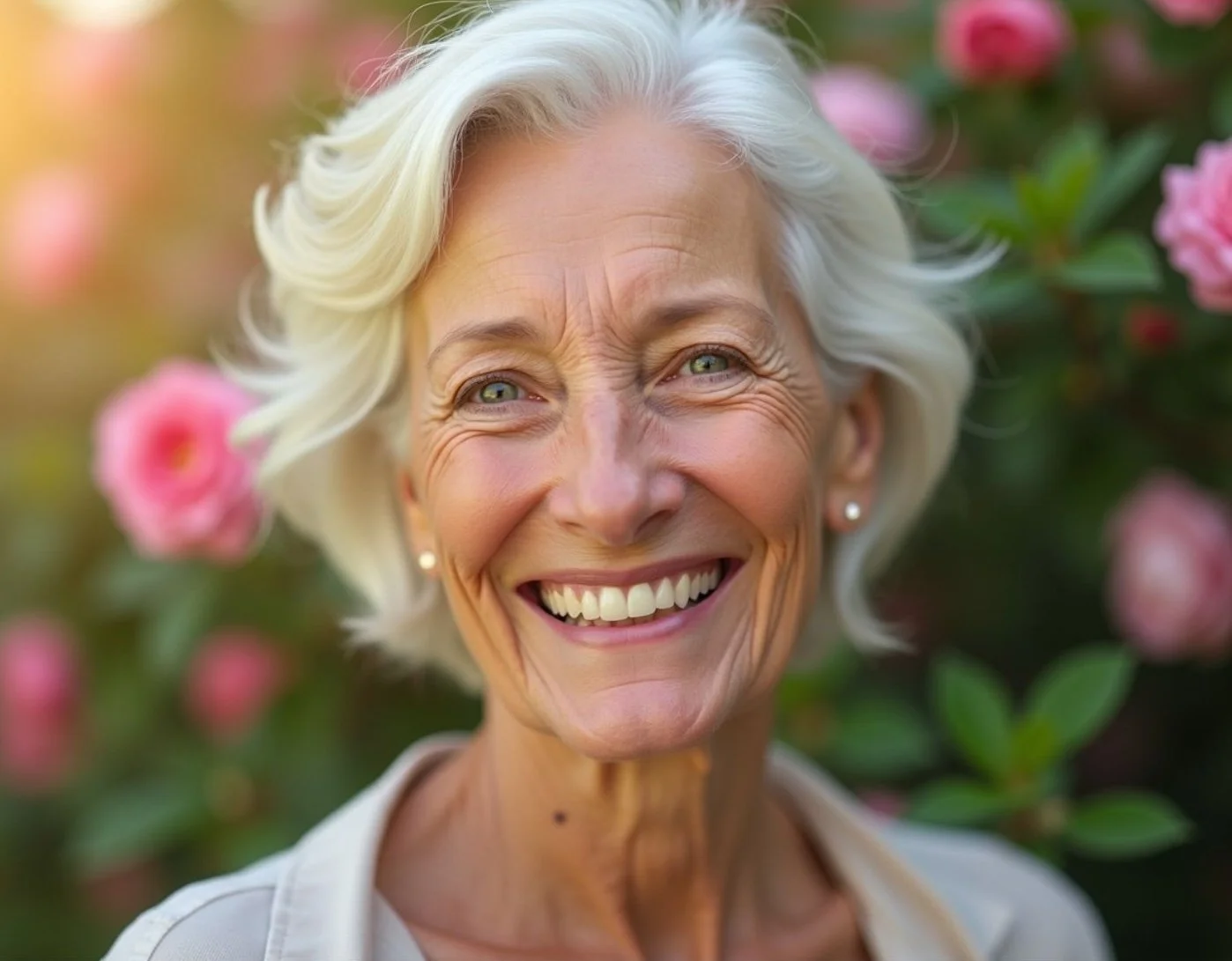
Age alone does not determine your dental future. An older adult may have excellent oral health, while a younger person may experience significant cavity risk.
Your individual risk depends on your health, habits, saliva, dental history, and oral environment.
This is why it's important to work with your dental provider to choose a preventive care plan that makes sense for you, which may not always match the intervals set by dental insurance.
If someone suddenly develops new cavities after years of stable dental health, we believe it's worth asking what has changed rather than simply treating each cavity as an isolated problem.
What Does This Mean for Biological Dentistry?
Biological dentistry considers oral health in the context of the whole person.
Prevention is foundational to our philosophy at Alive Dental. We look beyond isolated symptoms and investigate factors that may be contributing to changes in oral health.
That might mean discussing medications, evaluating dry mouth, looking more closely at dietary habits, or considering whether salivary diagnostic testing could provide useful information about someone's individual risk.
Not everyone needs advanced testing. The goal is to gather information that helps guide meaningful decisions.
It's also important to remember that this study did not test a specific treatment or biological dentistry protocol. It adds to our understanding of the oral microbiome, but doesn't prove that any particular intervention can reverse age-related changes.
What Can You Do to Support Your Oral Health as You Age?
Start by paying attention to changes in your mouth, including persistent dryness, new sensitivity, bleeding gums, or unexpected cavities.
Maintain consistent daily plaque removal and professional preventive care. Consider how often your teeth are exposed to sugars and acids, and discuss any medications or health changes with your dental team.
Most importantly, ask questions.
At Alive Dental, our approach is to Illuminate, Collaborate, and Revitalize. We help you understand what's happening, discuss your options, and develop a plan that fits your needs and goals.
Your oral health isn't static, and your dental care doesn't have to be either.
Glow from within.
If you've noticed changes in your oral health or want a more individualized approach to prevention, we welcome the conversation.
Connect with Alive Dental in Fort Collins, Colorado.
Frequently Asked Questions
Does your oral microbiome change as you get older?
Research suggests that oral microbial communities can differ across age groups. Medications, diet, health conditions, and oral hygiene may also influence those differences.
Can saliva affect your risk of cavities?
Yes. Saliva helps neutralize acids and protect tooth enamel. Changes in saliva flow or function can influence cavity risk.
Should everyone over 50 have oral microbiome testing?
No. This study doesn't establish a need for routine testing based on age alone. Testing should be considered when the results could meaningfully inform individual care.
Research Reference
Hayashi-Okamura Y, et al. Age-related shifts in the salivary microbiome linked to cariogenic changes: A cross-sectional study. Journal of Dentistry. Published October 4, 2026.
This article is for educational purposes and does not replace individualized dental advice.